Gum Disease Treatment in Rapid City & Spearfish, SD
Bleeding gums aren’t a minor thing — they’re an early warning that something needs attention.
Bleeding Isn’t “Just Brushing Too Hard”
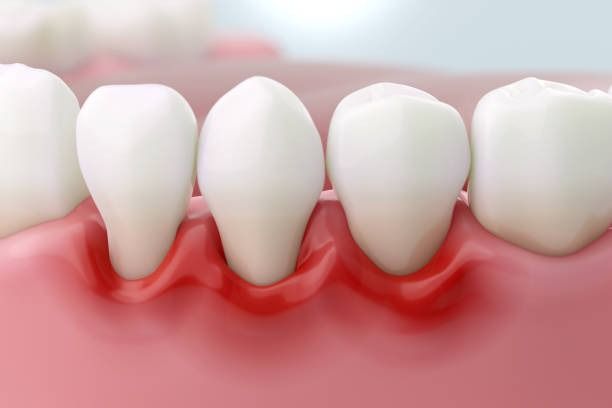
If your gums bleed when you brush or floss, it's easy to assume you're being too aggressive. But consistent bleeding — even when it doesn't hurt — is one of the earliest signs of gingivitis. You might also notice swelling, tenderness along the gumline, or bad breath that doesn't go away with brushing. These signs come and go, which makes them easy to dismiss. But they're your body signaling that inflammation has started — and that's where gum disease begins. At Orchard Meadows, we take these early signs seriously, because this is the stage where treatment is simplest and most effective.
What Happens When Gum Disease Goes Untreated
Gingivitis is reversible.
That's the good news. The concern is what happens when it's left alone.
Without treatment, gingivitis can progress and the gums start pulling away from the teeth, creating pockets where bacteria collect beneath the surface. Over time, this leads to recession, loose or shifting teeth, chronic infection, and bone loss. Once bone is lost, it doesn't come back on its own. Research also links advanced gum disease to increased risk of heart disease and diabetes complications — treating it protects more than your smile.
How We Treat Gum Disease
Treatment depends on how far things have progressed — and the earlier you come in, the simpler the path.
For early gingivitis, a professional cleaning combined with better daily home care is often enough to reverse the inflammation entirely. For moderate to advanced disease, a deep cleaning removes buildup from beneath the gumline and smooths root surfaces so tissue can heal and reattach. Most patients describe it as more manageable than expected — especially with thorough numbing and nitrous oxide available.
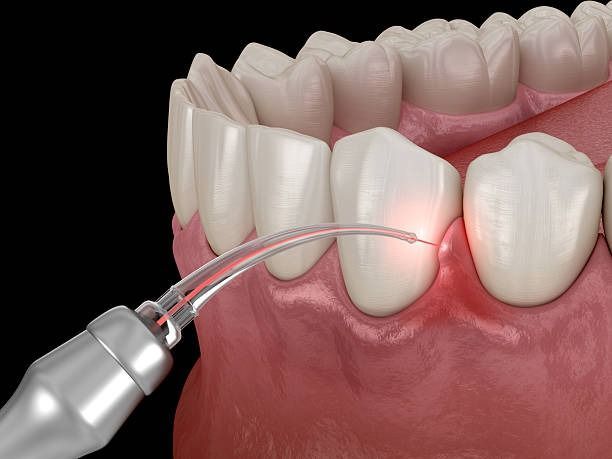
When laser treatment is appropriate, we use it to precisely target infected tissue in hard-to-reach areas — with less bleeding and faster healing than traditional methods alone.
After treatment, most patients move to a maintenance schedule every three to four months to keep bacteria in check and stay ahead of any changes.
Can gingivitis be reversed?
Yes — and that's the best reason to come in early. With professional cleaning and consistent follow-up, gingivitis can often be fully reversed. Once it advances to bone loss, reversal isn't possible — but effective management can stop further damage.
What is a deep cleaning?
It removes bacteria, tartar, and buildup from beneath the gumline where a standard cleaning can't reach. Root surfaces are smoothed so gum tissue can heal. It's done with local anesthesia, nitrous oxide is available, and most patients say it was far less uncomfortable than they expected.
Does gum disease cause bad breath?
Often, yes. Chronic bad breath that doesn't resolve with brushing is frequently caused by bacterial buildup beneath the gumline — the same bacteria driving gum disease. Treating the underlying infection typically resolves it.
How much does gum disease treatment cost in Rapid City, SD?
Costs vary based on severity and treatment type. Most insurance plans cover medically necessary periodontal care. CareCredit financing is available, and we provide clear estimates before anything begins.
Can gum disease affect dental implants?
Yes. The same inflammatory process that damages natural teeth can affect implants. Healthy gums and adequate bone are essential for long-term implant success , which is why periodontal health is always evaluated before placement and monitored closely after.
Can gum disease cause tooth loss?
Advanced gum disease is one of the leading causes of tooth loss in adults. As bone deteriorates, teeth lose the support that holds them in place. This is preventable with early detection — which is exactly why regular evaluations matter even when nothing hurts.


Warning Signs of Gum Disease
➤ Gums that bleed when you brush or floss
➤ Swollen, red, or tender gumline
➤ Bad breath that won’t go away with brushing
➤ Gums pulling away from your teeth
➤ Teeth that feel loose or have shifted
Frequently Asked Questions
Is bleeding when brushing normal?
No. Occasional bleeding from very aggressive brushing can happen, but consistent bleeding — especially with gentle pressure — is typically a sign of gum inflammation. It’s one of the earliest indicators of gingivitis, and it deserves professional evaluation rather than dismissal.How common is gum disease?
Very common. Nearly half of adults over 30 have some form of periodontal disease, and the prevalence increases with age. Many people have early-stage gum disease without knowing it, because the symptoms are easy to overlook until they progress.Can laser treatment help with gum disease?
Laser therapy is one of the most effective tools available. The laser targets infected tissue and bacteria in periodontal pockets with precision that traditional instruments can’t match. It’s often used alongside deep cleaning to reduce pocket depth and promote healthy reattachment. Whether laser treatment is right for your case depends on severity — which we evaluate with a thorough exam.
Discover Fun Dental Tips & Tricks!
No fear tactics. No perfect-person advice. Just practical help — what to do when something hurts, how to care for your teeth when life is busy, and what options exist when you’re tired of avoiding the mirror.