
Root Canal Treatment in Rapid City & Spearfish, SD
Root canals have a terrible reputation — but they don’t deserve it. The procedure relieves pain. It doesn’t cause it.
The Infection Is What Hurts — the Root Canal Is What Makes It Stop
When people hear “root canal,” they tense up. It sounds like the worst-case scenario — something to dread, avoid, and put off as long as possible. The reality? A root canal is one of the most effective ways to stop severe tooth pain and save a tooth that would otherwise need to be pulled.
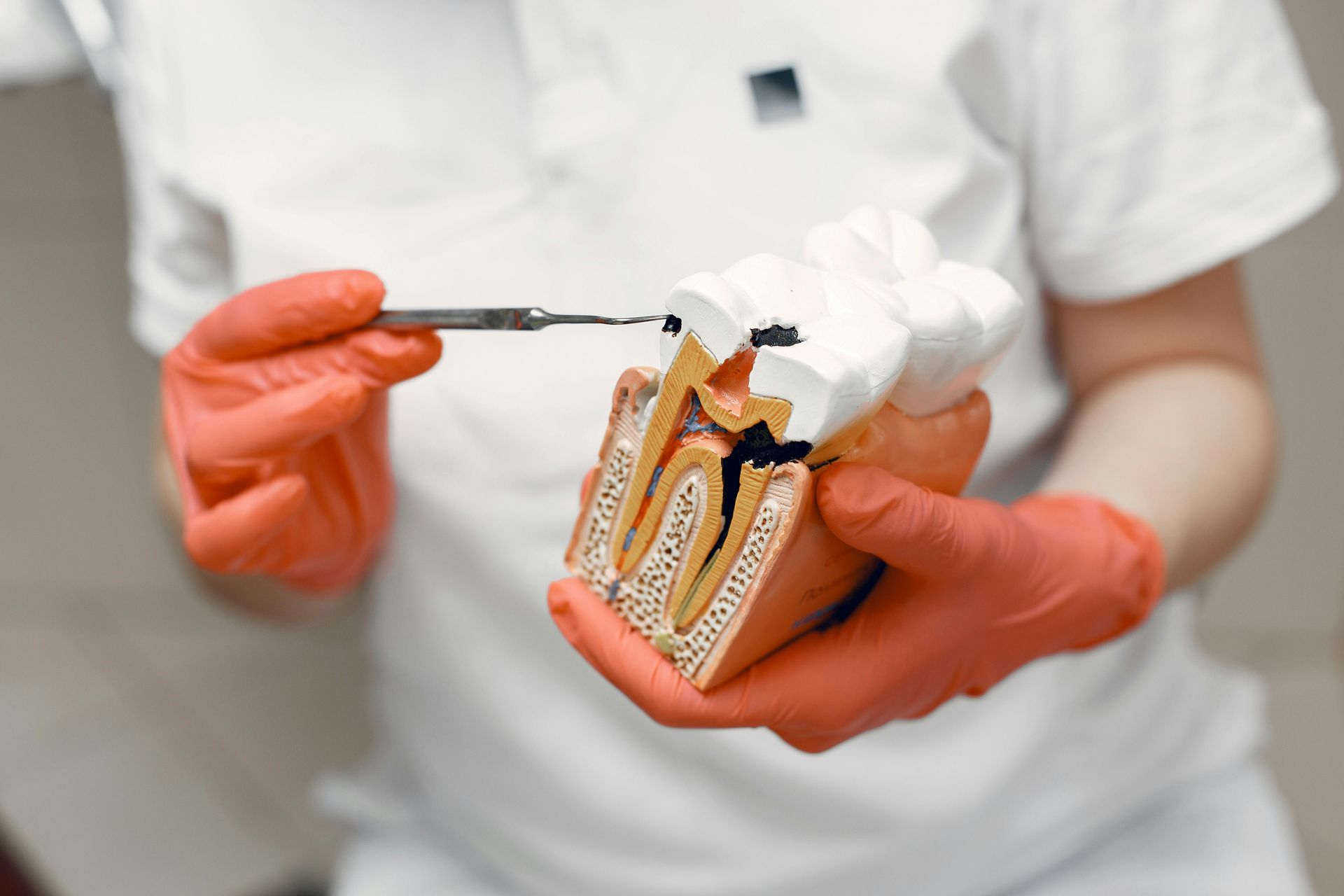
Inside every tooth, beneath the hard enamel, is soft tissue called the pulp — nerves, blood vessels, and connective tissue. When bacteria reach that space through deep decay, a crack, or trauma, the pulp becomes infected. That infection is what’s causing your pain. The root canal is what makes it stop.
What a Root Canal Actually Does
Root canal treatment removes the infected tissue, cleans and disinfects the internal canals of the tooth, and seals them to prevent reinfection. The outer structure of your tooth stays intact. Afterward, a crown is placed to restore strength and protect the tooth long-term.
The result: a tooth that’s free of infection, functional, and preserved for years — instead of extracted and replaced with an implant or bridge.
What to Expect During Treatment
We start by completely numbing the area so you stay comfortable throughout. From there, we access the inside of the tooth, remove all infected tissue, clean and shape the canals, and seal them. A temporary filling protects the tooth between visits. At a follow-up appointment, a permanent crown is placed.
Most root canals are completed in one to two visits, each lasting roughly 60–90 minutes. The overwhelming response from patients afterward? Relief — because the pain that brought them in is finally gone.
Nitrous oxide is available if anxiety is part of your experience. And if you’re nervous, know that the team here has a rule: before we talk about your teeth, we talk to you. We sit down, we listen, and we connect. That matters even more when you’re already in pain.
Root Canal vs. Extraction
Whenever possible, saving the natural tooth is the better long-term outcome. A root canal preserves your tooth structure, maintains bite alignment, and avoids the need for replacement with an implant , bridge, or denture — each of which involves additional treatment, healing time, and cost.
Extraction may be recommended if the tooth is too structurally compromised, the crack extends too far, or the long-term outlook is poor. We evaluate thoroughly and explain our reasoning. But extraction is always the last option we consider, not the first.
Is a root canal painful?
The procedure is performed under local anesthesia, so you stay comfortable throughout. Most patients compare it to getting a filling — not the nightmare they expected. The real relief comes afterward, because the infection causing your pain is gone. Nitrous oxide is available if you’re anxious.
How long does a root canal take?
Many root canals are completed in a single visit lasting 60–90 minutes. Back teeth with multiple canals may require a second appointment. We give you a realistic timeline during your evaluation.
How much does a root canal cost in Rapid City, SD?
Costs vary depending on which tooth is involved — front teeth, premolars, and molars have different complexity levels. Most dental insurance plans cover root canal therapy when medically necessary. Financing through CareCredit is available. We provide clear estimates before treatment begins.
What happens after a root canal?
Mild soreness for a day or two is normal and manageable with over-the-counter medication. The critical next step is getting your permanent crown placed. A root canal–treated tooth is more brittle without crown protection, and delaying that step puts it at risk. We schedule your crown appointment before you leave so nothing falls through the cracks.
Can a root canal fail?
Rarely, but it can happen — usually if bacteria re-enter the sealed canals or if an additional canal was missed. Symptoms include returning pain or swelling. Retreatment is possible in most cases and follows a similar process to the original procedure. Regular checkups help us monitor root canal–treated teeth over time.
Signs You May Need a Root Canal
➤ Toothache that lingers long after eating or drinking
➤ Throbbing pain that wakes you up at night
➤ Swelling in the gums near one specific tooth
➤ A tooth that’s darker than the ones around it
➤ Sharp pain when you bite down on one side
Frequently Asked Questions
Is it better to get a root canal or have the tooth pulled?
Saving the tooth is generally the better long-term outcome. Extraction requires replacement (implant, bridge, or denture) to prevent shifting and bone loss. A root canal preserves what you already have. Extraction is only recommended when the tooth truly can’t be saved.Do you perform root canals at both locations?
Yes. Root canal treatment is available at both our Rapid City and Spearfish offices. Your evaluation, treatment, and follow-up care happen with the same team.
Discover Fun Dental Tips & Tricks!
No fear tactics. No perfect-person advice. Just practical help — what to do when something hurts, how to care for your teeth when life is busy, and what options exist when you’re tired of avoiding the mirror.