Tooth Extractions in Rapid City & Spearfish, SD
When a tooth can’t be saved, the only thing you’ll care about is getting it out — and feeling better.
Sometimes the Healthiest Choice Is Letting It Go
Our first goal is always preserving your tooth. If it can be restored with a filling , crown , or root canal , that’s what we’ll recommend. But sometimes decay has gone too far, a crack extends beyond repair, or infection won’t let up. In those situations, removing the tooth protects the surrounding bone, ends the pain, and prevents more serious complications.
Dr. Garner says he likes extractions “when they go well” — and they go well here because the team takes time to explain what’s happening, numbs thoroughly, and doesn’t rush. The team hears it constantly after extractions: patients who came in dreading the worst, then one week later saying, “I’m so glad I did this. I feel so much better.”
Simple vs. Surgical Extractions
A simple extraction is performed on a tooth that’s fully visible above the gumline. The area is numbed, the tooth is gently loosened, and it’s removed. Most simple extractions take less than thirty minutes.
A surgical extraction is needed when a tooth is broken at the gumline, partially impacted, or positioned in a way that requires more access. This includes many wisdom teeth . Both types are performed at our Rapid City and Spearfish offices. For complex cases involving deep impaction or proximity to nerves, we may coordinate with an oral surgeon to make sure you get the best possible outcome.
What Happens After a Tooth Is Removed
This is one of the most important conversations we have — and it happens before the tooth comes out, not after.
Leaving an empty space long-term can cause neighboring teeth to shift, bite alignment to change, and bone loss in the jaw. Replacement options include dental implants for a permanent standalone solution, dental bridges for a fixed restoration anchored to neighboring teeth, or dentures when multiple teeth are missing.
Not every extraction requires immediate replacement — but understanding your options early helps you make better decisions for the long term.
Does a tooth extraction hurt?
The area is fully numbed before removal, so you shouldn’t feel pain — just pressure. Nitrous oxide is available if you’d like additional comfort. Mild soreness afterward is normal and typically manageable with over-the-counter pain relief. Most patients say the anticipation was worse than the actual experience.
How long does recovery take?
Initial healing takes about 7–10 days. During that time, you follow specific aftercare instructions to protect the site. Most patients feel significantly better within the first few days and return to normal eating within a week or two. We walk you through everything before you leave.
How much does a tooth extraction cost in Rapid City, SD?
Costs depend on whether the extraction is simple or surgical. Most dental insurance plans cover medically necessary extractions. Financing through CareCredit is available. We provide clear estimates before the procedure.
What is dry socket?
Dry socket happens when the blood clot at the extraction site is lost too early, exposing the underlying bone. It can cause significant discomfort, but following your aftercare instructions — especially avoiding straws and smoking — significantly reduces the risk. If you suspect dry socket, call us and we’ll get you comfortable quickly.
Can a tooth be replaced after extraction?
Yes. Implants, bridges, and dentures can all replace missing teeth and maintain bite stability. We discuss replacement options before extraction so you have a clear plan moving forward.


When Extraction May Be Needed
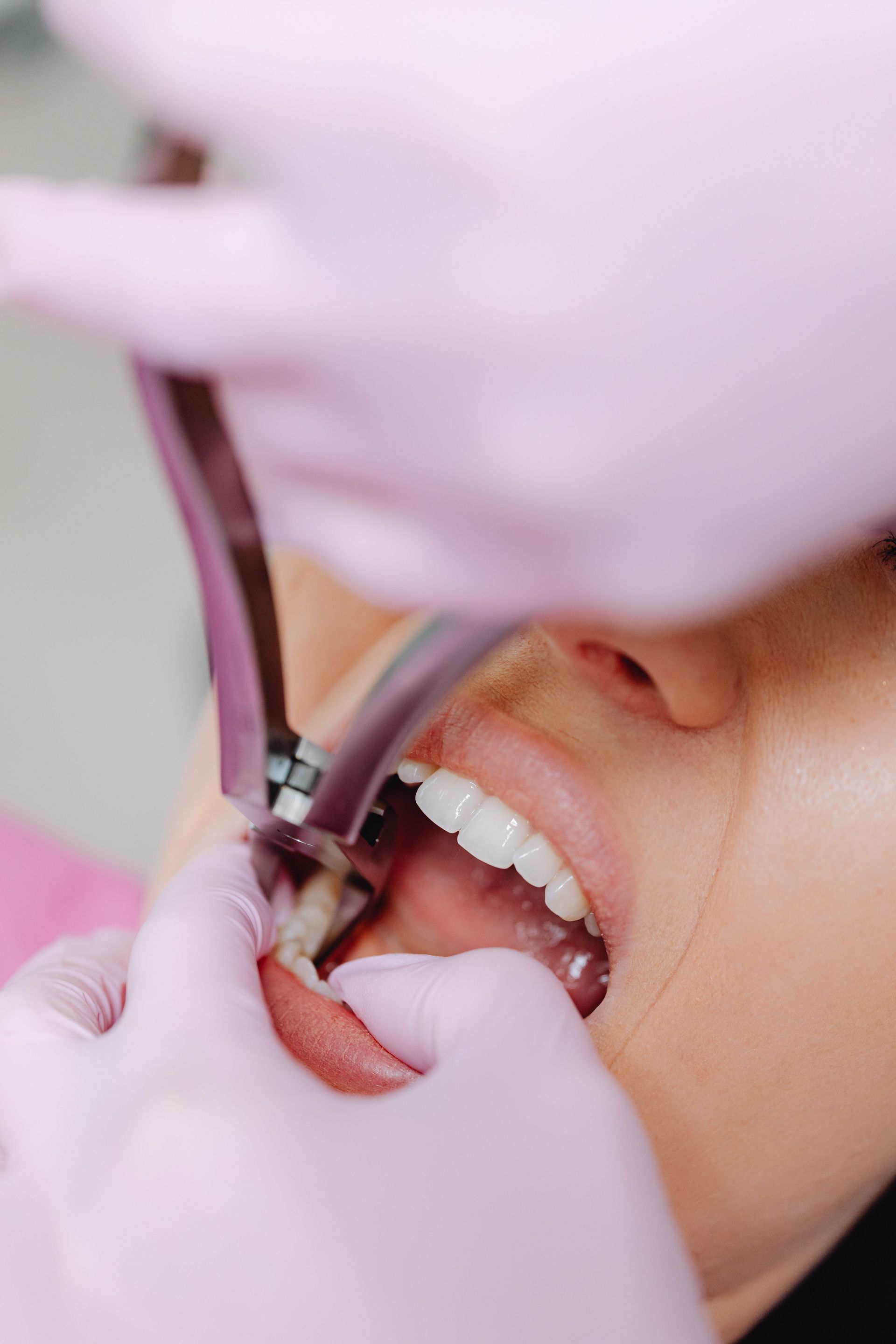
➤ Severe decay beyond what a crown can restore
➤ A crack that extends below the gumline
➤ Advanced gum disease that’s loosened the tooth
➤ Infection that persists despite treatment
➤ Impacted or problematic wisdom teeth
Frequently Asked Questions
Will I need stitches?
Some extractions require stitches to help tissue heal properly, while others don’t. We explain exactly what to expect in your specific case before the procedure begins.Is extraction always the last resort?
At Orchard Meadows, yes. We always evaluate whether a tooth can be saved first. If a crown, root canal, or other treatment can preserve it, that’s what we recommend. Extraction is only suggested when keeping the tooth would do more harm than removing it.
Discover Fun Dental Tips & Tricks!
No fear tactics. No perfect-person advice. Just practical help — what to do when something hurts, how to care for your teeth when life is busy, and what options exist when you’re tired of avoiding the mirror.